
Industry background
Under the global trend of green transformation and sustainable development, the logistics of chemical products is facing dual challenges. On the one hand, it needs to meet the strict requirements of international environmental protection regulations (such as IMDG and ADR) for transportation safety and carbon emissions. On the other hand, it is necessary to break through the shortcomings of domestic logistics in reverse recycling and emergency response. Chemical products are complex in category (including hazardous chemicals, fine chemicals, new energy materials, etc.), with high transportation risks. Packaging and transportation solutions must take into account multiple protective measures, such as leakage prevention, corrosion resistance, and static dissipation, while minimizing environmental impact.
Demand Overview
Type of Goods
Dangerous chemicals, fine chemicals, vaccines, new energy materials, etc.
Destinations
Covering major global chemical markets (such as Europe, North America, and Southeast Asia).
Core Requirements
Safe and compliant transportation, precise temperature control, emergency response guarantee, and green and low-carbon solutions.
Modes of Transportation
Air transport (express), sea transport (bulk), cold chain land transport (door-to-door), and multimodal transport.

Diligent Plan
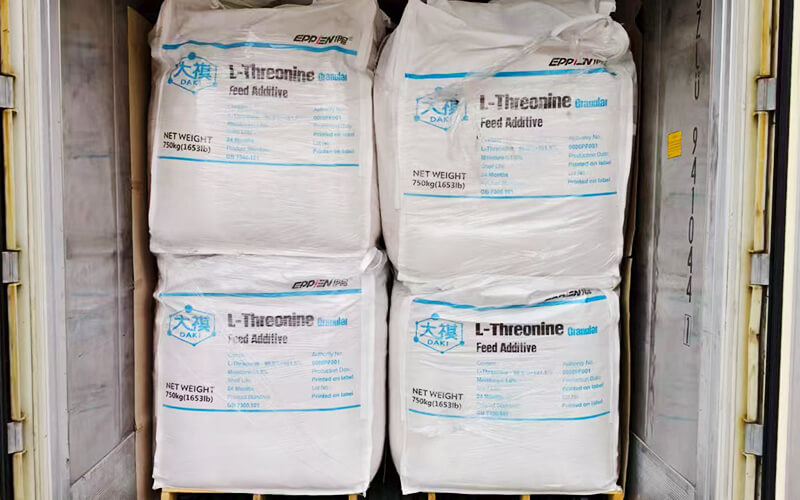
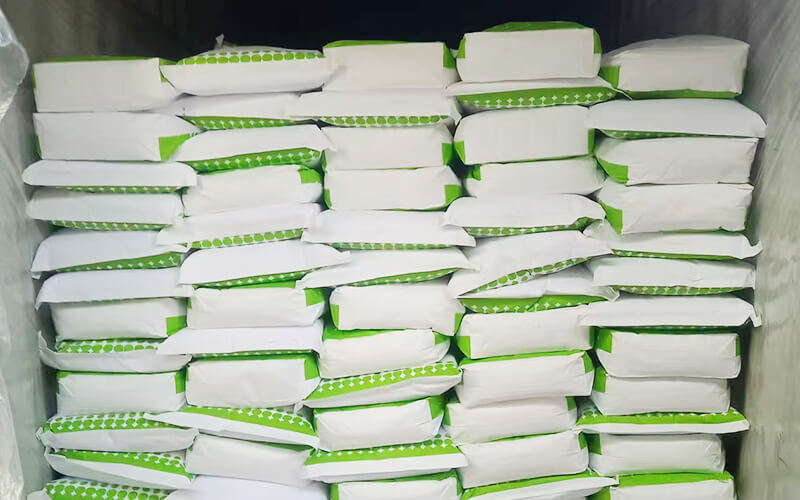
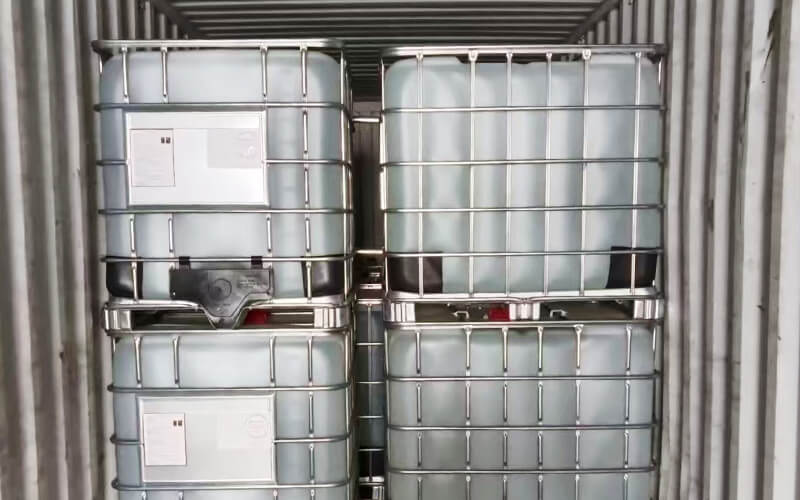
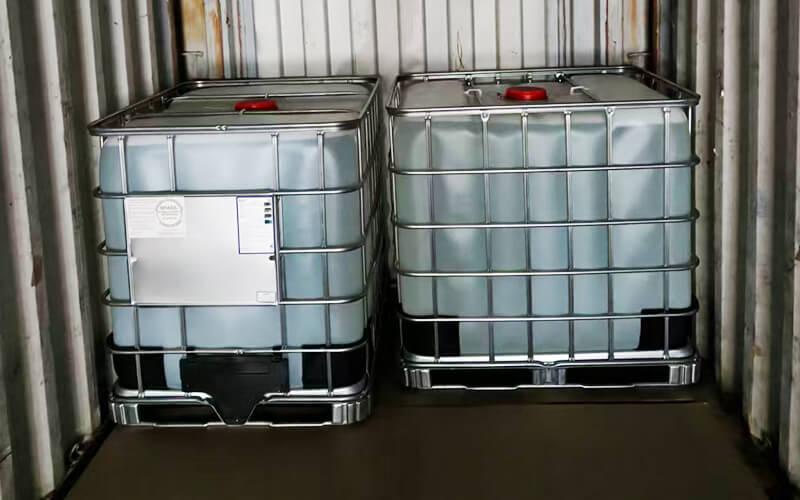
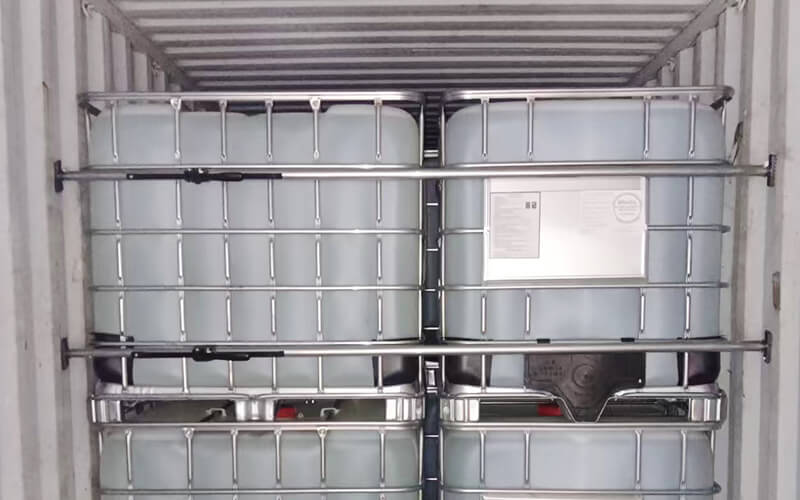
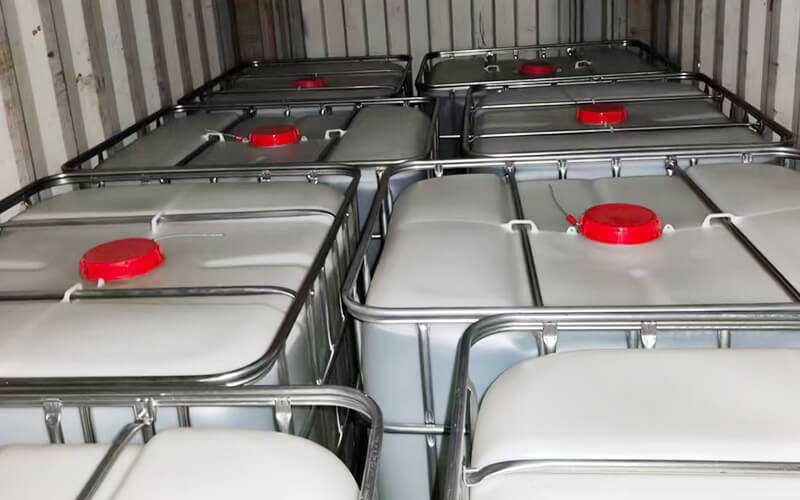
We specialize in international logistics and transportation of chemical products and have successfully implemented many iconic projects. We provide professional transportation guidelines based on the characteristics of chemical products, including hazardous chemicals. We have rich experience in special transportation tools, such as tanks, liquid bags, intermediate bulk containers (IBC), etc.
Operation process
Demand assessment and classification
Confirm the hazardous category of goods (such as flammable liquids, corrosive substances), UN number and packaging requirements based on the Material Safety Data Sheet (MSDS).
Packaging and labeling
Select shockproof and moisture-proof packaging in accordance with UN standards. For instance, in case of transporting liquid chemicals in tanks, anti-wave plates should be added. Before filling the IBCs, check the sealing of the bottom valves and connect them to static grounding devices. Affix a hazardous material label and attach the MSDS document.
Loading and transportation
Before loading, check the condition of vehicles/containers (such as the exhaust pipe flame arrestor and static grounding device) to ensure compliance with the IMDG Code requirements.
When loading, handle with care to avoid violent collisions. For instance, calcium carbide should be taken moisture-proof packaging measures and must not be mixed with acids.
During transportation, location, temperature, and pressure data should be monitored in real-time, with automatic alerts for anomalies via IoT devices.
Customs declaration and clearance
Prepare declaration forms, certificate of origin, quality inspection report and other documents in advance for dangerous goods, , assist in handling import licenses and environmental protection certifications (such as EU CE certification) to ensure a smooth customs declaration process.
Delivery
After the goods arrive, the customer should inspect and sign for them, and keep relevant vouchers safe.
Industry case display